

🕹️ Introduction: When Digital Worlds Die, We Lose More Than Data
Imagine this.
You log in one last time. The world you’ve played in for years — the cities you explored, the friends you made, the boss fights you barely survived — is about to disappear forever. The servers are shutting down. There’s no farewell update, no backup. Everything’s just… gone.
There’s a kind of silence that follows when a game dies—a quiet that feels unnatural, almost haunting. It’s not the silence you hear in the middle of the night. It’s the quiet that permeates defunct servers, broken login screens, and vacant chat windows that were once teeming with activity and laughter. And there’s no turning back once that silence falls.
This future is real. It’s the current state of affairs in the gaming industry—a growing trend of beloved games being shut down and eliminated entirely, frequently with little to no notice. Entire universes are being erased by game publishers, along with the memories, communities, and emotional ties that people have built up over the years. It’s a tragedy that isn’t being talked about enough.
From massive online games like Marvel Heroes and Club Penguin to platforms like Google Stadia, developers and corporations are erasing digital worlds without warning. And with them go years of effort, memories, friendships, and culture.
💔 The Emotional Impact of Losing a Game
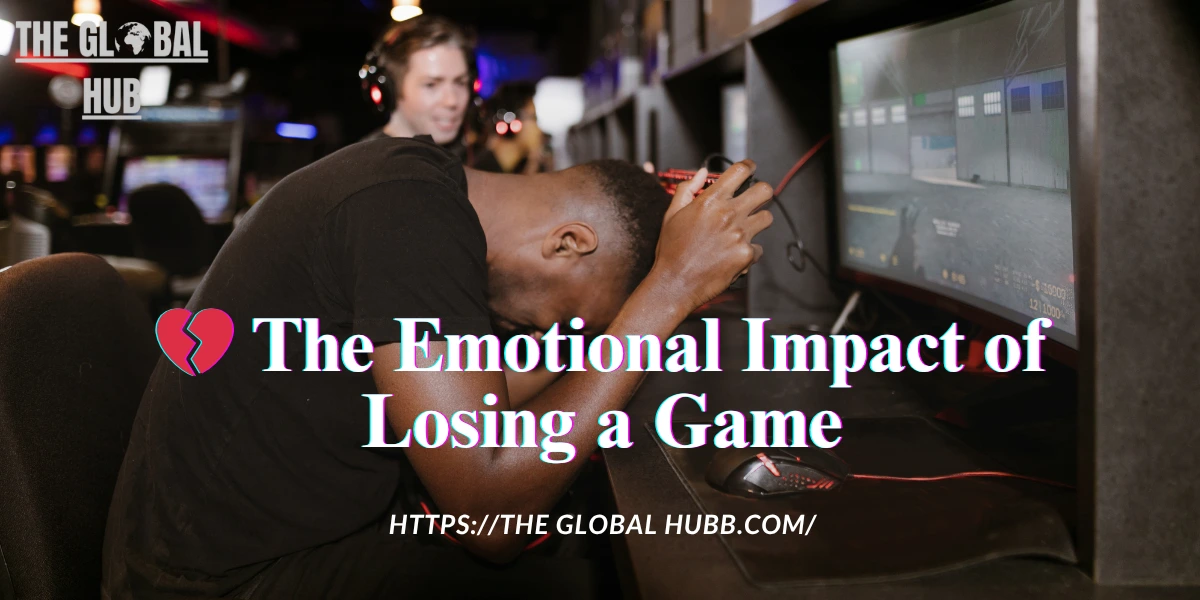
To people who have never been gamers, it’s easy to say, “It’s just a game.” But anyone who has ever truly loved a game knows those words couldn’t be further from the truth. A game isn’t just something you play. It’s something you feel, something you return to after a hard day, something you grow in. For some, it becomes a place more real than reality itself.
Losing a game can feel like losing a part of yourself. You recall the long nights spent creating, battling, exploring, and surviving, as well as your first mission and your first in-game companion. These are more than just saved files or achievements. Your emotional fabric is woven with these memories. Those moments, along with your ability to revisit them, are lost forever when developers shut down these games.
🎭 More Than Just Pixels: Why This Hurts So Much
To outsiders, it may seem silly.
“It’s just a game,” they say.
But ask any real player — and they’ll tell you something different.
“It was my escape from loneliness.”
“I met my best friend in that world.”
“That game helped me through depression.”
“It’s where I felt understood.”
Games aren’t just entertainment. They are virtual communities, safe places, and emotional outlets. People can connect, develop, and heal in these worlds.
Thus, when a game is removed… Not all data is lost. Someone’s life involves it.
🎨 Games as More Than Entertainment
Games are more than just entertainment these days. They are places where people can express their creativity, deal with mental health issues, form communities, and find meaning in life. Gamers use games to tell their own stories, much like painters use canvases or writers create novels. When a game dies, so does the chance to revisit those stories, to continue building upon them, or to share them with future generations.
Think of someone who logs into an online game every evening after work to meet their friends across the globe. Even though they have never met in person, they have celebrated birthdays, helped one another through defeats, and fought alongside one another in fierce battles within the game. For them, this is their life, not just a pastime. It would be cruel to take that away without any thought or care.
💥 Real Examples: Games That Were Killed Off
Here are just a few beloved games that were permanently shut down — leaving players stunned and grieving:
| Game/Platform | Year | Why It Matters |
| Marvel Heroes | 2017 | Fans spent years building teams, only for it to vanish with short notice. |
| Club Penguin | 2017 | A childhood hub for millions. Shut down and replaced with a failed reboot. |
| Google Stadia | 2023 | Entire libraries wiped out when Google shut its cloud gaming platform. |
| Knockout City | 2024 | A unique multiplayer game that built a tight-knit community — gone. |
| Battleborn | 2021 | Removed even from digital stores — erasing all access forever. |
🏚️ Why Games Get Shut Down
There are reasons why companies shut down games. They’ll say that maintaining servers is too expensive, that the player base has shrunk, or that licensing agreements have expired. Sometimes they’ll talk about moving forward and focusing on new titles. These explanations might make sense on paper, but they overlook the emotional and cultural value of what’s being lost.
When a game is taken down, it’s not just a business decision. It’s a decision that affects lives—people who have built routines, friendships, and even identities around that virtual space. When the shutdown notice goes up, there’s often little warning, no alternatives, and no efforts made to preserve what was.
That’s the heartbreaking part. These shutdowns aren’t just technical. They’re personal. And they happen too quickly, leaving players scrambling to say goodbye.
🔐 Losing Access, Losing Ownership
In today’s digital age, most people buy games digitally. But here’s the uncomfortable truth: we don’t really own the games we buy. We’re only purchasing a license to access them—and that access can be revoked at any time. If the company decides to shut the game down, there’s nothing we can do. We don’t get refunds. We don’t get legacy versions. We don’t even get to keep our characters or stories.
This level of control in the hands of corporations is dangerous. It turns every game into a temporary experience—one you can never fully rely on, no matter how much time or money you’ve invested. It’s like buying a house that you can live in, but that the builder can bulldoze at any moment, and you’re not allowed to save anything inside.
🏛️ Games as Cultural Artifacts
We preserve books, films, paintings, and music. Why not games?
One of the most potent cultural mediums of our day is video games. They combine narrative, music, art, design, and interaction. However, many are being removed mindlessly. We lose digital history, mechanics, stories, and aesthetics when games die. What if a beloved film vanished each time a studio shut down? People would be furious.
However, when it comes to games, there is frequently little indignation, little mourning, and little preservation work. That must be altered.
🗣️ The Call for Preservation and Player Rights
If we truly care about the future of gaming, we must advocate for game preservation and stronger player rights. Developers and publishers should be encouraged—even legally required—to provide offline versions, open-source releases, or private server tools before killing off a game completely.
This doesn’t mean every game must last forever. But it does mean players deserve respect. They deserve closure. They deserve a chance to hold onto what they’ve built.
In order to preserve their games, some independent studios are already setting the standard by making their server code available or permitting fan-made versions. However, larger businesses must do the same. Because when they don’t, they’re ruining communities, memories, and creativity in addition to products.
🌐 When Games Die, Communities Fragment
A game is more than just a place. It’s a meeting spot. Love stories start on voice servers, friendships blossom in guild chats, and support groups are formed through common objectives. Even though these communities are set in a fictional world, they are real.
When a game is shut down, those communities scatter. Some players stay in touch. Many don’t. And something that felt magical and irreplaceable suddenly becomes a ghost town.
The damage isn’t just emotional. It’s social. It’s cultural. A part of internet history quietly vanishes, taking everything with it.
📖 Stories of Lost Worlds and Forgotten Players
How easily we forget is one of the saddest things about game shutdowns. A couple of tribute videos, a few farewell posts, and then quiet. The game eventually disappears from existence, from memory, and from conversation.
But those worlds mattered. They shaped people. They deserve to be remembered.
Think of Club Penguin, where millions of children had their first online social experiences. Or Marvel Heroes, where fans spent years collecting characters and grinding for gear. Or City of Heroes, a superhero MMO that was shut down but later brought back by fans who couldn’t let go.
These aren’t just games. They’re time capsules. And we need to treat them like that.
💪 The Role of the Player in Saving Games
We have a part to play as players as well. We are able to assist with preservation initiatives. We can record, write, and share our favorite experiences. We can advocate for moral game design. Studios that treat their players with dignity have our support. To ensure that our stories are not forgotten, we can share them.
Because someone is always quietly grieving when a game dies, feeling as though they have lost a place that no one else can relate to. We contribute to the preservation of those memories when we discuss it and bring it to light.
📢 What We Can Do About It: 7 Powerful Actions
We can’t just complain — we need to act.
- Support Preservation Efforts
Organizations like the Video Game History Foundation and Internet Archive work to save digital games. Donate, support, or spread awareness.
- Petition Studios
Start or sign petitions when a game is in danger. Public pressure has saved games before — like City of Heroes, which was revived thanks to its community.
💡 Related Read: How Gamers Saved City of Heroes
- Ask for Offline/Legacy Modes
Why can’t we play games offline once servers go? Developers should provide downloadable versions for single-player content.
- Back Up Your Memories
Record gameplay, take screenshots, and save your character profiles. Share your game experiences in videos, blogs, or tribute websites.
- Support Indie Studios
Indie developers often prioritize player rights, mod support, and long-term access. Choose to support ethical studios.
- Boycott Disrespectful Publishers
If a company kills games carelessly, don’t support them. Vote with your wallet. Let your community know.
- Push for Gamer Rights Laws
Because they spend time, money, and effort on games, gamers should have legal protection. We require ownership rights, data portability, and policies for refunds and legacy access. Data portability
✍️ Sample Petition (Copy & Customize It!)
Title: Let Us Keep Our Digital Home — Save [Game Name]
We, the players of [Game Name], request the developers:
- Release an offline version
- Extend servers 3 more months
- Provide tools for private hosting
We have invested time, friendships, and creativity into this world. Please respect our contribution.
📝 Share your petition on Change.org, Reddit, or Twitter with hashtag: #StopKillingGames
📅 Timeline: Game Shutdowns That Shocked the Community
| Year | Game | Impact |
| 2003 | The Sims Online | EA pulled the plug despite growing player creativity. |
| 2014 | Glitch | A beloved, quirky MMO remembered through tribute sites. |
| 2017 | Marvel Heroes Omega | Gone within days of announcement. |
| 2019 | Telltale Games Closure | Multiple episodic series left incomplete. |
| 2023 | Google Stadia | A cloud platform with no physical fallback. |
| 2024 | Knockout City | Community begged for private servers. |
🧍 A Real Story: Hasan’s Digital Sanctuary
Requiem: Memento Mori is an old MMO that Hasan, a quiet Karachi university student, used to play every night. Flashy graphics and the newest fashions didn’t appeal to him. His escape was that game. It helped him manage anxiety, loneliness, and the daily pressure of life. It gave him a place to breathe.
When the studio announced they would shut the servers down, Hasan was devastated. He couldn’t sleep. He couldn’t concentrate. That game had become his comfort zone, and suddenly, it was being taken from him. He started a petition and reached out to the developers. He begged them to release an offline version or allow the community to host it privately. But nothing came of it. The game died, and with it, so did a part of his peace.
Hasan’s story isn’t rare. Around the world, there are thousands, maybe millions, of people who have had the same experience. And the pain doesn’t get enough recognition.
🌈 Hope for the Future
There is hope.
Gamers are starting to speak up. Petitions are being signed. Documentaries are being made. Indie developers are showing that games can last, can evolve with love, and can be preserved without endless greed.
The conversation around game preservation is growing. We’re beginning to recognize that digital experiences deserve the same care and respect as physical ones. And we’re starting to see that what we build in virtual spaces is just as meaningful as what we build in the real world.
But we need to keep pushing.
We need to keep saying it—louder and louder, until it echoes through every corner of the industry:
Stop killing games.
📖 How You Can Preserve Your Game Memories
You may not own the servers, but you do own the stories. Here’s how to preserve them:
- 📸 Take screenshots
- 🎥 Record YouTube walkthroughs or montages
- ✍️ Write blogs, fanfics, or reviews
- 🗺️ Archive fan art and lore
- 🤝 Stay connected with in-game friends outside the platform
💬 Gamer Voices: Quotes from the Community
“My best friend passed away IRL. Our characters were still together in-game. Then the game was deleted.”
— @Shadow Nomad, Twitter
“It’s not about the graphics. It’s the memories.”
— Reddit user on the Skyforge shutdown
“I found my first love in that game. I miss it more than I should.”
— Instagram comment on Club Penguin tribute page
✅ Final Checklist: How to Join the #StopKillingGames Movement
- ❒ Share this article or hashtag: #StopKillingGames
- ❒ Start or sign a petition when a game is threatened
- ❒ Back up your own gaming history and memories
- ❒ Talk about your favorite lost games on social media
- ❒ Support indie developers that value permanence
✊ Final Thoughts: We Deserve Better
There is no longer a niche in the gaming industry. It’s a cultural thing. It is a memory. It’s true.
Companies are doing more than simply erasing code when they remove games without providing backups, legacy access, or respect. History is being erased.
But if we work together, we can make that change.
Speak up. Preserve your worlds. Keep your digital life safe.